> For the complete documentation index, see [llms.txt](https://help.tillit.cloud/tillit/llms.txt). Markdown versions of documentation pages are available by appending `.md` to page URLs; this page is available as [Markdown](https://help.tillit.cloud/tillit/getting-started/setup.md).
# Set up a Site & Assets
The following steps will help you create your first asset, material and order.
{% hint style="info" %}
At this point, it's not crucial to spend too much time on naming conventions, as these can always be adjusted later. The main goal is to initiate the process and become acquainted with TilliT
{% endhint %}
## Login to TilliT
If you haven't already done so, then log into TilliT. Need help doing so? See the [Login to TIlliT](#login-to-tillit) page to find out how.
## Site & Assets
### Create a Site
A site is a location where goods or services are produced or being processed. You can have more than one Site.
**Go to Settings -> Asset Hierarchy -> Sites -> Create**
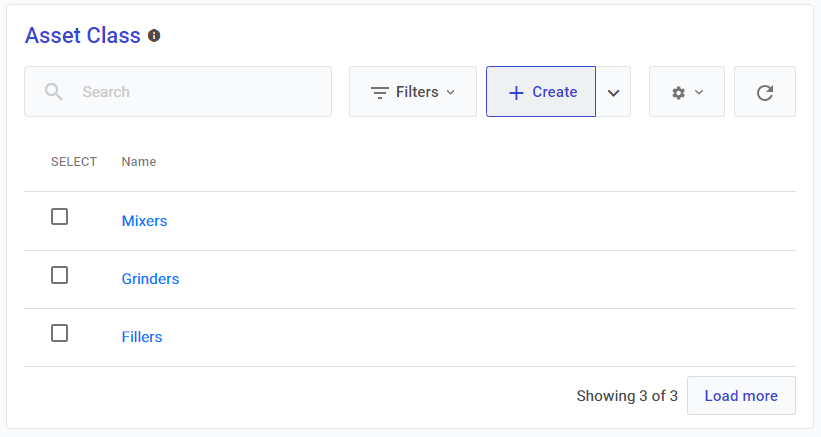
### Create an Asset Class
**Go to Settings -> Asset Hierarchy -> Asset Class -> Create**
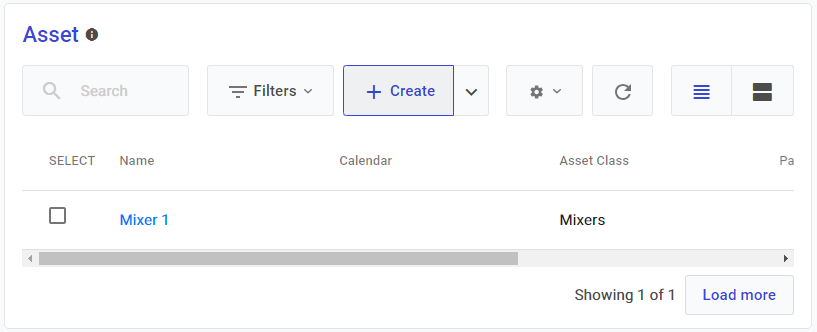
### Create an Asset
An asset refers to anything that we want to control digitally in the context of production and supply chain management.
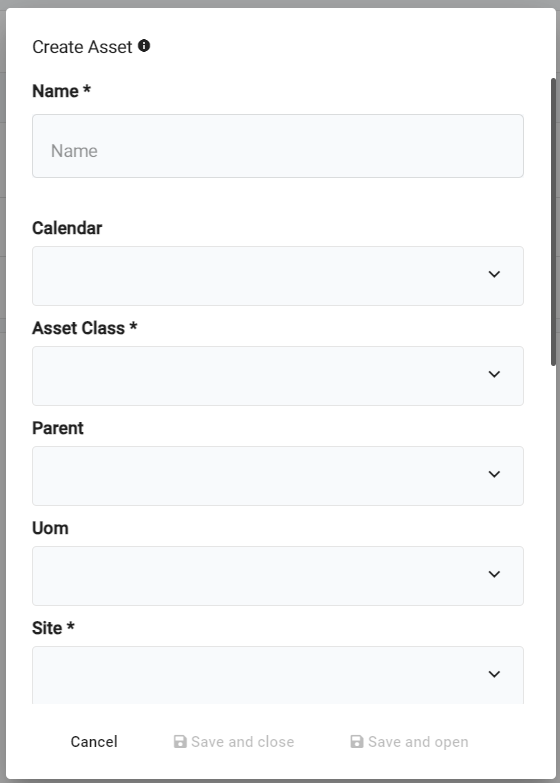
**Go to Settings -> Asset Hierarchy -> Assets -> Create**
After clicking on Create,fill in the necessary information and link the asset with the appropriate Asset Class created above and Site.
## Materials
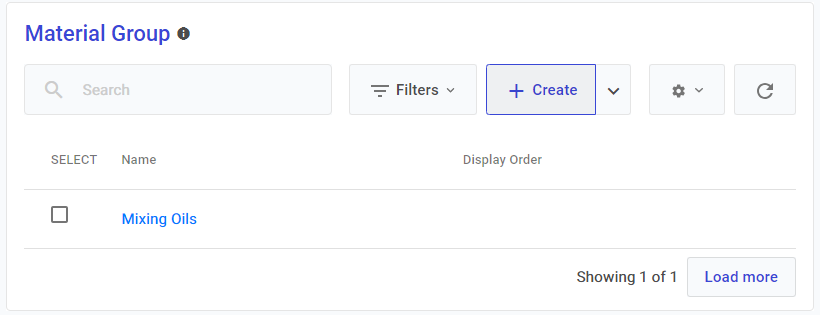
### Add a Material Group
**Go to Settings -> Material Definition -> Material Groups -> Create**
A material group can be a category of raw materials, or a category of finished products. For example: "Ingredients" for any material that acts as an ingredient for a product, or "Finished Goods" for finished products.
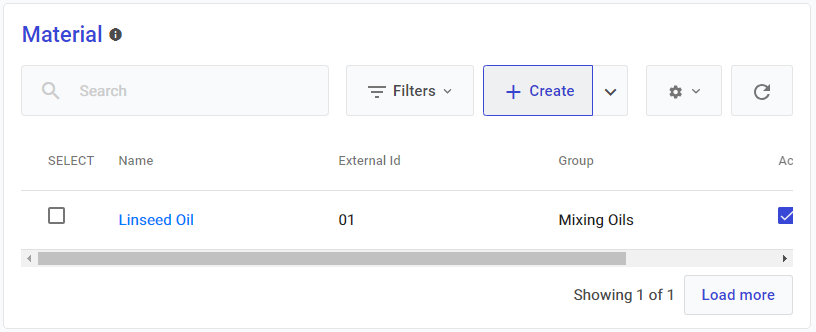
### Add a Material
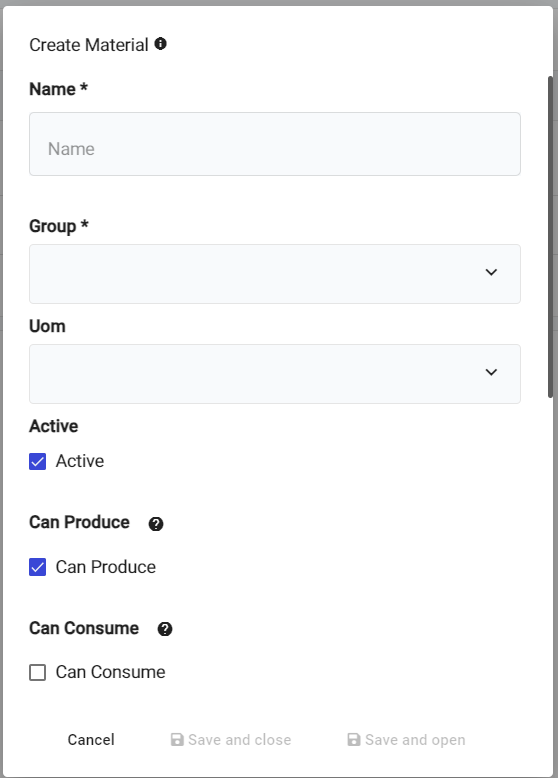
**Go to Settings > Material Definition > Materials -> Create**
Materials refer to the physical elements necessary for producing manufactured goods and are consumed during the process.
They can also encompass the resulting product of a series of procedures, such as a finished item. Fill out the necessary fields.
### Next steps
**Excellent**! The next step is to create an order for the asset and material.
{% content-ref url="/pages/LmC9gD8xqNsxxoarww41" %}
[Set up an Activity](/tillit/getting-started/trigger-activity.md)
{% endcontent-ref %}
.gif?alt=media)